
Category: Uncategorized

  • Multi-Currency Payment Gateway for High-Risk Businesses: How to Sell Across UK, EU and US

    Multi-Currency Payment Gateway for High-Risk Businesses: How to Sell Across UK, EU and US

    Selling internationally sounds like a growth win until payments start getting in the way.

    For many high-risk businesses, the real challenge is not demand. It is building a payment setup that can support sales across the UK, EU, and US without creating more friction at checkout, more operational pressure behind the scenes, or more dependence on payment providers that were never built for this type of business.

    That is why the conversation around a multi-currency payment gateway for high-risk businesses matters. Once a company starts selling across borders, payments stop being a technical detail and become part of the commercial model itself. If the infrastructure is too rigid, expansion becomes harder. If it is flexible enough for how the business actually sells, growth becomes much easier to support.

    Why cross-border payments are harder for high-risk businesses

    A standard e-commerce brand and a high-risk business do not enter international markets under the same conditions.

    High-risk merchants usually deal with more scrutiny from providers, more approval friction, and more pressure around how transactions are processed. Add multiple regions, currencies, and customer expectations to the mix, and the payment layer quickly becomes one of the biggest constraints on growth.

    This is where many businesses run into the same pattern. They may already have demand from international buyers, but the payment setup was designed for a narrower operating model. It works well enough in one market, then starts to feel restrictive the moment the business expands.

    The problem is not always obvious on day one. Sometimes it appears when approvals become harder to secure. Sometimes it shows up when international customers face more friction than expected at checkout. In other cases, it becomes clear when a merchant tries to scale and realizes the provider was never a good fit for a business with higher-risk exposure in the first place.

    Why multi-currency matters beyond convenience

    Supporting multiple currencies is often presented as a simple checkout feature, but for high-risk merchants, it has a much bigger role.

    When a business sells across the UK, EU, and US, local familiarity matters. Buyers are more comfortable when pricing and payment feel aligned with their market. If the checkout experience feels foreign, unclear, or unnecessarily complicated, confidence drops fast. That matters in any industry, but it matters even more in sectors where trust at the payment stage is already fragile.

    A stronger payment model does not just help a business look more international. It helps remove one of the common frictions that can stand between buyer intent and completed payment.

    For that reason, choosing a multi-currency payment gateway for high-risk businesses is not just about presenting different currencies on screen. It is about making international sales feel more natural, more scalable, and less dependent on a one-size-fits-all provider.

    The payment problem changes when you sell across UK, EU and US

    The UK, EU, and US are all attractive markets, but they do not behave like one uniform payment environment.

    Each region comes with its own customer expectations, banking relationships, operational realities, and conversion pressures. A business that wants to grow across all three needs a payment setup that can keep up with that complexity.

    UK: smoother payment experience means stronger buyer confidence

    The UK is a mature market, but that does not make payments easier for high-risk merchants. If the checkout experience feels too rigid or too unfamiliar, hesitation shows up quickly. For businesses operating in sensitive or heavily reviewed sectors, the payment step is often where trust is either reinforced or lost.

    That is one reason payment infrastructure matters so much. It is not only about whether a transaction can be processed, but whether the overall setup supports a buying experience that feels dependable.

    EU: one growth region, many operational realities

    The European market is attractive because of its size, but from a payments perspective, it is rarely as simple as treating the region as one block. Different countries bring different customer habits and different levels of operational complexity.

    For a high-risk merchant, that means cross-border growth inside Europe still needs flexibility. A provider that looks acceptable from a distance may become limiting once the business starts serving multiple markets in practice.

    US: high commercial upside, but little room for payment weakness

    The US remains a major opportunity for international merchants, but it can also expose weaknesses in a payment setup very quickly. If the business already operates in a higher-risk sector, the margin for error becomes even smaller.

    A company entering the US market needs more than ambition. It needs payment infrastructure that supports that expansion without introducing avoidable friction or making the business overly dependent on a limited processing model.

    What a high-risk business should expect from a stronger payment setup

    The wrong question is whether a provider says it supports international payments. Most can say that. The better question is whether the setup is actually suitable for a high-risk business selling across multiple regions.

    That means looking at the payment layer through a commercial lens, not just a technical one.

    1. It should support international selling, not just domestic processing

    A business expanding into the UK, EU, and US needs a setup that matches that ambition. If the provider is only comfortable in a narrow operating context, growth will eventually run into friction.

    This is often where merchants start rethinking their stack. What worked in an earlier stage begins to feel too limited once cross-border sales become more important.

    2. It should reduce dependency on one rigid payment route

    High-risk businesses rarely benefit from being boxed into a single, inflexible payment model. As international sales grow, flexibility becomes more valuable.

    That is also why many merchants start looking beyond standard acquiring and compare it with other options that can give them more room to operate internationally. In practice, this is the same shift behind the growing interest in crypto payment infrastructure, especially for businesses that need alternatives to traditional payment rails without slowing down expansion.

    3. It should make checkout feel more aligned with the buyer

    Customers may not think in terms of payment architecture, but they do react to checkout friction. If the payment experience feels disconnected from their market or creates uncertainty, conversion suffers.

    For a high-risk business, this is especially important because trust is already more sensitive than it is for low-risk retail. A better payment setup helps remove avoidable tension at the exact moment the customer is ready to buy.

    4. It should fit the business model, not just the transaction

    This is where many merchants make the wrong decision. They choose a provider based on broad capability claims without asking whether the provider actually fits the business.

    Industry context matters. A company in a high-risk vertical does not have the same operational profile as a generic ecommerce store, and the payment setup should reflect that reality. The difference becomes even clearer in sectors like supplements, where a business can look straightforward from the outside but still face a much more complex approval and risk environment once payments are involved.

    Why this article fits where Niftipay is already gaining traction

    One of the strongest signals in Niftipay’s current content performance is that broader, generic payment terms are not the real opportunity yet. The better-performing direction is more specific, more commercial, and much closer to actual merchant pain points.

    That pattern is already visible in topics tied to high-risk approval, sector-specific payment challenges, and payment models built around more complex business types. In other words, Google is responding better when the content speaks to real operational issues instead of broad, textbook definitions.

    This makes cross-border, multi-currency payments for high-risk businesses a strong next step. It builds naturally on the themes that are already emerging around high-risk payments, international selling, and alternatives to more restrictive payment models.

    When a multi-currency gateway becomes a business decision, not a technical one

    Most businesses do not review their payment setup early enough.

    They wait until growth starts to expose the problem. International demand increases, checkout friction becomes harder to ignore, approvals become more difficult, or a once-acceptable provider starts feeling like a bottleneck.

    At that point, the gateway is no longer just a processing tool. It becomes part of the business model.

    A multi currency payment gateway for high risk businesses becomes a serious commercial decision when:

    • the business wants to sell across UK, EU, and US markets with less friction
    • the current provider feels too restrictive for international growth
    • the sector already faces approval pressure or higher scrutiny
    • the company needs more flexibility in how it accepts payments
    • cross-border expansion is starting to outgrow the current setup

    This is often the point where merchants stop looking for a basic provider and start looking for one that makes more sense for how they actually operate.
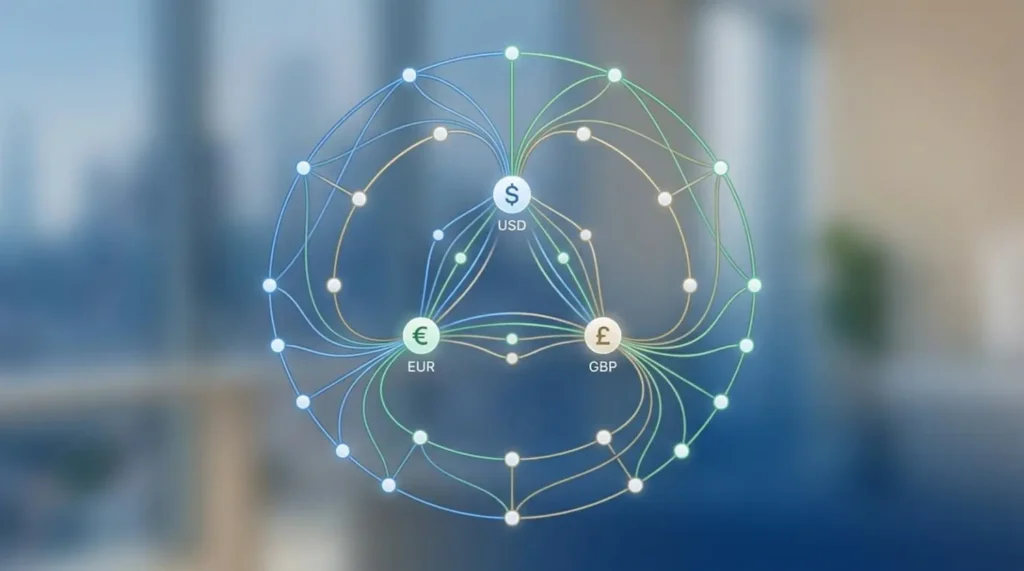
    multi-currency payment flow across UK EU and US for high-risk businesses

    Where Niftipay enters the picture

    High-risk merchants rarely need a generic payment solution. They need one that makes sense for the realities of their sector, their markets, and the way they plan to grow.

    That is where Niftipay becomes relevant.

    For businesses selling across borders, the payment question is not just whether transactions can be processed. It is whether the overall model is strong enough to support expansion into the UK, EU, and US without creating unnecessary limits along the way.

    That conversation becomes even more relevant when a business is already dealing with approval pressure, operating in a vertical that attracts closer review, or rethinking whether a more flexible structure would support growth better than a conventional one. The same logic is already visible in businesses exploring crypto payment models, in sectors where approvals are harder to secure, and in industries where international sales place more pressure on the provider than expected.

    Growth across borders starts with payment infrastructure that can keep up

    Expanding into multiple markets is not only about traffic, logistics, or demand generation. It is also about whether the payment layer is strong enough to support that expansion once buyers are ready to convert.

    If the setup is too limited, growth slows down. If it is built with more flexibility in mind, the business has a stronger foundation to scale across the UK, EU, and US with fewer payment-related obstacles.

    If your business is reviewing its current model and looking for a multi-currency payment gateway for high risk businesses, Niftipay is a smart place to start. The next step is simple: complete the NiftiPay New Client Service Request Form and explore a payment setup that better matches how your business sells across borders.


  • Recurring Billing for High-Risk Businesses: How to Reduce Failed Payments and Chargebacks

    Recurring Billing for High-Risk Businesses: How to Reduce Failed Payments and Chargebacks

    Recurring billing for high-risk businesses can be one of the most effective ways to build predictable revenue, but it is also one of the easiest models to destabilise when the payment setup is weak.

    For businesses operating in sectors such as adult, dating, supplements, iGaming and other subscription-led categories, the challenge is rarely limited to getting the first payment through. The real pressure appears later, when renewals start failing, customer churn increases, and disputes begin to affect margins and processor stability.

    That is why recurring billing should never be treated as a simple automation feature. In higher-risk sectors, it is closely tied to payment approvals, retention, dispute prevention and the quality of the underlying crypto payment gateway infrastructure.

    Why recurring billing is harder for high-risk businesses

    Recurring billing becomes more complicated when a business operates in categories that already face tighter scrutiny from payment providers, issuers and fraud systems.

    A one-time transaction may already carry more friction in a high-risk environment. A recurring transaction adds another layer because the customer is not always actively present when the payment is processed. If the billing environment is unstable, the outcome is usually the same: more declines, more failed renewals and more revenue leakage.

    This is why recurring billing for high-risk businesses cannot be approached in the same way as standard e-commerce billing. Merchant category, geography, approval logic and payment flexibility all matter much more. For many operators, even getting the right high-risk payment gateway approval is part of the problem from the beginning.

    The real reasons recurring payments fail

    Failed recurring payments are often treated as a normal part of subscription business, but in many high-risk verticals, they happen more often than they should because the billing structure is not built for the actual risks of the business.

    One common issue is issuer resistance. Banks may decline transactions more aggressively when the merchant category is considered high risk, especially when the charge is recurring or cross-border. This becomes even more relevant for companies serving customers across multiple jurisdictions.

    Another problem is card lifecycle friction. Cards expire, get replaced, hit limits or trigger additional security checks. In a lower-risk sector that is inconvenient. In a high-risk recurring model, it becomes a constant source of failed collections.

    There is also processor-side rigidity. Some providers technically allow subscriptions, but their systems are not designed to support recurring flows for sensitive industries in a stable way. In these cases, choosing the right crypto payment processor becomes less about convenience and more about revenue protection.

    How failed payments turn into lost revenue

    A failed renewal is not just a technical issue. It is often the start of customer churn.

    When a recurring transaction fails, many businesses do not lose only the payment. They lose continuity. Some customers never retry. Others assume the issue is with the brand and disengage. In subscription-led models, that interruption affects more than monthly revenue. It weakens customer lifetime value and makes growth less predictable.

    This is one of the main reasons recurring billing for high-risk businesses should be viewed as an operational strategy, not just a billing setting. If renewals fail too often, even strong acquisition efforts start producing weaker returns.

    In practice, every avoidable failed payment creates extra support work, additional recovery efforts and lower retention. Over time, that weakens the business far beyond the value of the missed transaction itself.

    Why chargebacks are especially dangerous in subscription models

    Chargebacks are already difficult for high-risk merchants, but recurring billing makes them more dangerous because disputes can arise even when the original purchase journey seemed successful.

    Subscription transactions create more opportunities for misunderstanding. A customer may forget they subscribed, fail to recognise the descriptor, or dispute a renewal instead of contacting support first. That pattern becomes even more common when cancellation flows are unclear or billing communication is weak.

    For businesses operating in verticals where dispute ratios are already watched closely, this is not a minor issue. A rise in chargebacks can trigger reserves, increase account pressure and reduce overall processing stability. That is why merchants in sectors such as gaming often look for more resilient infrastructure, including specialised options like an iGaming payment gateway designed for higher-risk transaction environments.

    How to reduce failed payments in recurring billing

    Reducing failed payments starts with treating recurring billing as an actively managed part of the business.

    Smart retry logic is one of the most useful improvements. If a payment fails, retrying too quickly or at the wrong time often leads to another decline. More adaptive retry timing tends to work better than rigid schedules.

    Clear billing communication also matters. Customers should understand when they will be charged, what the payment refers to and how they can manage their subscription. Better descriptors and stronger renewal communication reduce confusion and lower the chance of disputes.

    Another important step is reducing dependency on a single processing route. Businesses that rely on one provider alone usually have less flexibility when approval issues begin to appear. A more resilient setup often includes broader payment optionality and a stronger overall payment infrastructure for high-risk businesses.

    Support and cancellation processes also play a role. Many preventable chargebacks come from customer frustration rather than actual fraud. If users can resolve issues quickly, the billing model becomes more stable.

    Why crypto can improve recurring billing for high-risk businesses

    Crypto has become more relevant for recurring billing because it can reduce some of the structural friction that affects traditional payment flows in high-risk sectors.

    For merchants facing repeated decline pressure, crypto payments can help lower dependence on card networks and issuing banks that often reject transactions for reasons unrelated to actual customer intent. This is especially valuable for businesses serving international audiences or working in categories where approval consistency is a problem.

    Stablecoin-based flows are particularly useful because they offer more predictability than volatile assets while still benefiting from blockchain settlement. For high-risk merchants, this can support more flexible billing models and reduce unnecessary friction at the point of payment.

    This is where a stronger payment gateway for supplement brands or other vertical-specific setups can become part of a broader strategy. The goal is not to replace every traditional method, but to build a payment stack that is more resilient.

    The role of stablecoins in subscription and renewal flows

    Stablecoins deserve particular attention in recurring billing because they align more closely with the practical needs of subscription businesses.

    A recurring model needs consistency. It needs a payment method that customers can use easily, merchants can settle efficiently, and operations teams can forecast without introducing unnecessary volatility into revenue planning. Stablecoins help bridge that gap.

    They are especially relevant for companies with global customer bases or verticals where card-based recurring billing remains fragile. In these cases, stablecoin support can help build a smoother payment environment and strengthen overall billing continuity.

    For businesses exploring recurring billing for high-risk businesses, stablecoins are not the only answer, but they can be an important part of a more reliable and flexible payment setup.

    Recurring billing for high risk businesses dashboard showing failed payment recovery, chargeback monitoring and global transaction flows

    What to look for in a payment partner for recurring billing

    Not every provider that claims to support subscriptions is equipped to support high-risk recurring billing properly.

    A suitable payment partner should understand high-risk verticals, support multiple payment rails, and offer the flexibility to adapt to different transaction behaviours across markets. Global reach matters, but operational fit matters just as much.

    The strongest setup is usually one that combines conventional payment options with crypto capabilities and stablecoin support. That gives merchants more room to improve acceptance, reduce friction and stabilise recurring revenue.

    For businesses in sensitive verticals, this is not only about processing transactions. It is about creating a billing system that protects approvals, lowers disruption and supports scale more effectively than a basic one-provider setup.

    Recurring billing should protect revenue, not weaken it

    Recurring billing can be extremely valuable for high-risk businesses, but only when the payment environment is built to support the realities of the model.

    If failed renewals are becoming common, if card declines are affecting retention, or if chargebacks are becoming a recurring operational problem, the issue may not be your product or pricing. It may be the infrastructure behind your billing flow.

    That is why recurring billing for high-risk businesses should be seen as a revenue protection strategy, not just a technical feature. The businesses that solve this well are not simply collecting renewals more efficiently. They are reducing churn, protecting approvals and building a stronger base for long-term growth.

    If your business depends on subscriptions and recurring revenue in a high-risk category, exploring a more flexible payment setup can be a smart next step. Niftipay helps businesses combine crypto and traditional rails for global, higher-risk environments through its New Client Service Request Form.

  • High-Risk Payment Processing Fees Explained: Rates, Reserves and Hidden Costs

    High-Risk Payment Processing Fees Explained: Rates, Reserves and Hidden Costs

    Understanding high-risk payment processing fees is one of the most important steps before choosing a provider. For many online businesses, cost is not just a number on a pricing page. It directly affects margins, cash flow, and long-term sustainability.

    The challenge is that high-risk payment processing fees are rarely presented in a simple or transparent way. Many providers highlight a base rate but leave out key elements such as rolling reserves, cross-border costs, or operational fees that only become visible after onboarding.

    If you are evaluating payment providers, the goal is not to find the lowest number. It is to understand the full cost structure and how it applies to your business model.

    What high-risk payment processing fees actually include

    When a provider quotes high-risk payment processing fees, it usually refers to a combination of different cost layers rather than a single fixed rate.

    These may include:

    • transaction fees (percentage per payment)
    • fixed fees per transaction
    • rolling reserves
    • chargeback fees
    • currency conversion costs
    • cross-border processing fees
    • monthly or platform fees
    • payout or settlement costs

    This is why comparing providers based only on one number can be misleading. A lower headline rate may come with higher hidden costs elsewhere.

    Typical rates for high-risk merchants

    For most online businesses operating in higher-risk categories, high-risk payment processing fees tend to fall within a realistic range depending on several factors.

    Rates often start from around 7% and can go up to 12%, depending on:

    • business type and industry
    • chargeback exposure
    • billing model (one-off vs subscription)
    • monthly processing volume
    • geographic markets
    • previous processing history

    A provider that offers pricing within this range is usually reflecting the real cost of managing risk, rather than trying to attract merchants with unrealistic entry rates.

    The key is not just where your business sits within that range, but why.

    What affects your pricing

    Two businesses in the same category can receive very different fee structures. That is because providers assess risk at a granular level.

    Business model

    Subscription businesses, free trials, or complex billing flows tend to increase perceived risk.

    Chargeback profile

    If your business is more likely to generate disputes, fees will reflect that exposure.

    Geographic footprint

    Cross-border transactions and multi-region traffic can increase processing costs.

    Volume and ticket size

    Higher volumes may improve conditions, while higher ticket sizes can increase risk.

    Operational clarity

    Businesses that present clear billing, policies, and user journeys often receive better terms.

    This is why high risk payment processing fees are always tied to how well the business is understood and managed, not just the industry label.

    Rolling reserves and why they matter

    One of the most misunderstood parts of high-risk payment processing fees is the role of rolling reserves.

    A rolling reserve is a percentage of each transaction that is temporarily held by the provider to cover potential chargebacks or disputes. This directly impacts cash flow, even if it is not always presented as a “fee.”

    If you are not familiar with how this works, our guide on rolling reserves for high-risk merchants explains how reserves are calculated and how they affect your business over time.

    Understanding reserves is essential because they often represent a larger financial impact than the visible transaction rate.

    Hidden costs most merchants overlook

    Many businesses focus on headline pricing and miss the smaller costs that accumulate over time.

    Common hidden elements include:

    Chargeback handling fees

    Each dispute can carry a fixed cost, regardless of the outcome.

    Currency conversion margins

    Cross-border transactions may include additional percentage costs.

    Settlement delays or payout structures

    Slower access to funds can impact liquidity.

    Setup or onboarding costs

    Some providers include additional fees during the onboarding process.

    Platform or maintenance fees

    Recurring costs that are not always highlighted upfront.

    This is where understanding the full structure of high-risk payment processing fees becomes critical. A provider that appears cheaper at first glance may become more expensive in practice.

    How to evaluate providers properly

    When comparing providers, the goal is not to negotiate blindly on price. It is to understand what you are paying for and whether it aligns with your business.

    A structured evaluation should include:

    • full fee breakdown (not just headline rate)
    • reserve requirements
    • chargeback management approach
    • cross-border capabilities
    • onboarding clarity
    • long-term account stability

    If you are still comparing infrastructure options, it also helps to understand how each component of the payment stack works together. Our guide to payment gateway vs payment processor for high-risk businesses provides a clearer view of how fees are distributed across the setup.

    Why transparency matters more than low pricing

    A common mistake is choosing a provider based on the lowest advertised rate. In high-risk environments, that often leads to problems later.

    A realistic provider will:

    • explain how pricing is structured
    • align fees with actual risk
    • clarify reserves and operational costs
    • avoid unrealistic promises

    This is where many merchants start to see the difference between providers that focus on quick onboarding and those that focus on long-term account stability.

    If you need a clearer foundation before evaluating pricing, our high-risk payment gateway explained guide helps connect how fees relate to the broader payment setup.

    High risk payment processing fees comparison shown through pricing documents and laptop on a meeting table

    Niftipay and a more transparent approach to pricing

    For high-risk businesses, clarity is often more valuable than artificially low entry rates.

    Niftipay approaches high-risk payment processing fees with a more realistic and transparent structure, where pricing reflects the actual business model, risk level, and expected volume.

    With rates typically starting from 7% and scaling up to around 12%, the focus is not on offering misleading headline numbers, but on building a payment setup that can support real business operations.

    That includes:

    • clearer onboarding expectations
    • realistic fee structures
    • alignment between pricing and risk
    • support for businesses that need flexibility

    This approach helps reduce surprises after approval and gives merchants a more stable foundation to operate from.

    Cost is not just a number, it is a structure

    Understanding high-risk payment processing fees is not about finding the cheapest provider. It is about understanding how costs are built, how they affect your business, and how they scale as you grow.

    A well-structured payment setup can protect margins, improve cash flow visibility, and reduce operational friction.

    If you are evaluating providers and want a clearer view of what your real cost structure would look like, the next step is simple: complete the NiftiPay New Client Service Request Form and get a more accurate assessment based on your business model.

  • High-Risk Merchant Account for Online Businesses: A Smarter Way to Get Approved

    High-Risk Merchant Account for Online Businesses: A Smarter Way to Get Approved

    Getting approved for a high-risk merchant account is rarely just a matter of filling out a form and waiting for a response. For many online businesses, especially those operating in higher-risk categories, the application process is tied to underwriting, payment model review, billing structure, dispute exposure, compliance checks, and the provider’s confidence in how the business actually operates.

    That is why businesses searching for a high-risk merchant account are usually not looking for theory. They are looking for a provider that understands risk, supports growth, and can help them move from application to live processing without unnecessary friction.

    For online merchants, the key question is not only whether a provider can technically support the business. It is whether that provider can offer the right setup from the start, including approval guidance, onboarding clarity, and a payment infrastructure that works in the real world.

    What is a high risk merchant account?

    A high-risk merchant account is a merchant account designed for businesses that payment providers or acquiring partners consider more complex to underwrite. That complexity may come from the industry itself, from the billing model, from the markets served, or from the level of chargeback and fraud exposure associated with the business.

    In practical terms, a merchant account allows a business to accept card payments and settle funds through the payment ecosystem. When the business falls into a higher-risk category, however, the expectations around approval, monitoring, and operational controls tend to be stricter.

    This is why a high-risk merchant account is not only about payment acceptance. It is about finding a setup that can support the business model without creating avoidable risk during onboarding or after launch.

    Why online businesses are often classified as high risk

    A business does not need to be doing anything wrong to be placed in a higher-risk category. In many cases, the classification reflects how providers assess exposure rather than the quality of the business itself.

    An online business may be treated as high risk because of factors such as:

    • recurring billing or subscription models
    • international or cross-border sales
    • elevated chargeback exposure
    • longer delivery cycles
    • digital goods or intangible services
    • high average transaction values
    • complex compliance requirements
    • a processing history that needs closer review

    This is why the search for a high-risk merchant account is common across online sectors that depend on flexible billing, remote customer acquisition, and multi-market sales.

    What you need before you apply

    A strong application starts before the application form itself. If the merchant cannot clearly explain how the business works, what it sells, how it bills customers, and how it manages risk, delays and rejection become far more likely.

    1. A clear business model

    Before applying for a high-risk merchant account, you need to be able to explain exactly how the business generates revenue.

    That includes:

    • what you sell
    • whether payments are one-off or recurring
    • where customers are located
    • how fulfilment or delivery works
    • what refund and cancellation terms apply
    • how users interact with your checkout

    Providers want clarity. If the business model feels vague, incomplete, or inconsistent with the website experience, underwriting becomes harder.

    2. A compliant and transparent website

    For online businesses, the website is part of the application. A provider will usually review the site to understand what the merchant sells and whether the customer journey is transparent.

    Before applying, make sure the website clearly shows:

    • terms and conditions
    • privacy policy
    • refund policy
    • contact details
    • billing explanations
    • subscription terms, where relevant
    • product or service descriptions that match what is being sold

    A high risk merchant account application becomes much stronger when the website supports trust and reduces ambiguity.

    3. A realistic view of chargeback risk

    One of the most important things a provider will assess is how exposed the business may be to disputes. That does not mean you need a perfect history, but you do need a serious view of risk.

    This includes understanding:

    • why customers may dispute charges
    • how billing appears on statements
    • whether renewal terms are clear
    • what support flows exist
    • how refunds are handled
    • what fraud controls are already in place

    A provider that works seriously with high-risk businesses should care about account stability, not only initial approval. That is one reason many merchants compare providers based on the support they offer beyond the first onboarding step.

    4. The right documents and business information

    A high-risk merchant account provider will often request more context than a standard low-risk processor. That is normal.

    You should be ready to provide:

    • company registration documents
    • banking information
    • processing history, where available
    • expected monthly volume
    • average transaction value
    • key operating markets
    • details about the products or services sold
    • ownership or beneficial ownership information, where required

    If this information is prepared properly, the process becomes faster and more credible.

    5. A provider that understands the full payment setup

    Many merchants search for a high-risk merchant account as if it exists in isolation. In reality, approval and performance depend on the wider payment setup too.

    That includes how the merchant account connects with gateways, processors, onboarding flows, and transaction management. If you are still clarifying those differences, it is worth reviewing the role of each one in a real commercial stack. Our guide to payment gateway vs payment processor for high-risk businesses can help make that structure clearer before you apply.

    What underwriters typically look at

    When reviewing a high-risk merchant account application, underwriters are not only checking whether the business exists. They are assessing whether the business looks manageable, transparent, and commercially sustainable.

    That usually means reviewing:

    • industry category
    • website quality and consistency
    • billing structure
    • transaction profile
    • dispute exposure
    • geographic footprint
    • refund and cancellation transparency
    • previous processing history
    • overall operational maturity

    The stronger the merchant presents these elements, the easier it becomes to reduce unnecessary friction during review.

    If you want to approach the process in a more structured way, our high-risk payment gateway onboarding checklist is a useful reference point before submitting your application.

    Common reasons applications get delayed or rejected

    Many businesses assume rejection means the provider does not support the industry. Sometimes that is true, but often the problem is the application itself.

    Common issues include:

    Inconsistent website and business information

    If the application says one thing and the website suggests another, trust drops quickly.

    Weak billing transparency

    If pricing, renewals, or refund rules are unclear, underwriters may see a higher dispute risk.

    Poor preparation

    If key documents are missing or the merchant cannot explain its model clearly, the process slows down.

    No clear risk controls

    A provider wants to know that the business is actively managing disputes, fraud, and customer communication.

    Choosing the wrong provider

    Not every payment company is built to support high-risk online merchants properly. Some will accept the conversation but not the complexity behind it.

    Why provider choice matters more than many merchants expect

    A high-risk merchant account is not just a back-end requirement. It affects how smoothly a business can launch, scale, and maintain stable payment performance over time.

    The right provider should help you:

    • prepare properly before application
    • understand approval requirements
    • align the merchant account with the full payment stack
    • reduce unnecessary onboarding friction
    • support long-term processing stability

    This is where brand positioning matters.

    A business applying for a high-risk merchant account does not only need access. It needs confidence that the provider understands the realities of high-risk commerce and can support more than the paperwork. That is where a solution like Niftipay becomes more commercially compelling than a generic payment provider that only offers fragmented support.

    Why businesses look for more than approval alone

    Approval matters, but for online businesses it is only the beginning. A merchant also needs a setup that can support actual growth.

    That means asking:

    • Will this provider understand my risk profile?
    • Can it support my business model properly?
    • Will onboarding be clear?
    • Can I build around this payment setup long term?
    • Is this relationship built for stability, not just acceptance?

    If approval is your biggest immediate concern, our guide to high-risk payment gateway approval can help you understand what providers typically expect before making a decision.

    high-risk merchant account application dashboard on a laptop for an online business in a modern office

    Niftipay as a stronger path for high-risk online businesses

    For merchants operating in more complex sectors, the real value is not in finding any provider willing to talk. It is in finding one that understands onboarding, approval logic, payment infrastructure, and the commercial realities of high-risk online business.

    That is why the search for a high-risk merchant account should lead to more than a comparison of names. It should lead to a provider that can support the full path from application to live processing with more clarity and less friction.

    Niftipay is positioned to support that journey by helping high-risk online businesses move toward a setup that is commercially usable, operationally realistic, and better aligned with long-term growth.

    Start with the right preparation

    If your business is preparing to apply for a high-risk merchant account, the smartest move is to approach the process with the right documentation, the right payment structure, and the right provider from the start.

    That reduces wasted time, improves the quality of the application, and gives the business a stronger foundation once processing begins.

    If you are looking for a high-risk payment solution that supports serious online businesses with a clearer route through approval and onboarding, complete the NiftiPay New Client Service Request Form and start the process with the right context in place.

  • High-Risk Payment Gateway for Dating Sites: What to Look for Before You Apply

    High-Risk Payment Gateway for Dating Sites: What to Look for Before You Apply

    Finding the right high-risk payment gateway for dating sites is rarely as simple as comparing fees or checking whether a provider accepts your business model. Dating platforms often sit in a category that many banks and processors review more carefully because of chargeback exposure, recurring billing issues, cardholder disputes, content moderation concerns, and the way customer expectations are managed after signup.

    That is why choosing a high-risk payment gateway for dating sites should start long before the application form. A provider may say it works with high-risk merchants, but that does not automatically mean it is a strong fit for a dating platform with subscriptions, recurring payments, international traffic, or a higher dispute profile.

    For operators of dating websites, the real question is not only whether you can get approved. It is whether the provider can support stable processing, protect conversion rates, and help the business scale without creating new operational problems a few weeks later.

    Why dating sites are treated as high risk

    A dating business can look commercially strong and still trigger extra underwriting scrutiny. That is because processors do not only review revenue potential. They also evaluate billing patterns, refund behavior, complaint volume, trial structures, cancellation flows, and how likely a cardholder is to dispute a charge.

    In practice, a dating platform can be flagged as higher risk for several reasons:

    • recurring or subscription-based billing
    • free trials that convert into paid plans
    • cross-border traffic
    • elevated refund requests
    • customer confusion around descriptors or renewals
    • higher-than-average chargeback exposure
    • affiliate-driven or aggressive acquisition models

    This is why a high-risk payment gateway for dating sites needs to do more than approve transactions. It needs to align with how the business actually sells, bills, and retains users.

    If your application strategy is still weak, it is worth reviewing what underwriters typically expect before submission. Our guide on improving your high-risk payment gateway approval process can help you reduce avoidable friction before you apply.

    What a dating site should look for before applying

    Choosing a high-risk payment gateway for dating sites should be treated as a screening process, not a quick vendor search. The strongest option is the one that can support both approval and long-term account stability.

    1. Clear experience with dating and subscription-based models

    Not every processor that claims to support high-risk merchants actually understands the operating realities of dating sites. That matters because underwriting decisions are shaped by category knowledge.

    A provider with real experience in the space is more likely to understand:

    • recurring membership structures
    • trial-to-paid conversions
    • user acquisition from multiple channels
    • refund expectations
    • chargeback triggers tied to confusion, not fraud alone

    This is especially important if your platform includes premium features, monthly renewals, or international users. A specialist high-risk payment gateway for dating sites should already know where risk appears in the funnel and what documentation will be needed to assess it properly.

    2. Strong support for recurring billing

    Many dating businesses depend on subscriptions, credit bundles, premium messaging, or upgrade paths. If recurring billing is central to your revenue model, the provider should be able to support it cleanly and transparently.

    Before applying, check whether the gateway can handle:

    • recurring billing logic
    • renewal management
    • clear billing descriptors
    • cancellation visibility
    • retry logic for failed payments
    • account updater or optimisation features where relevant

    A weak recurring setup can turn a good acquisition engine into a customer support problem. For a dating platform, billing clarity is not a minor detail. It directly affects trust, retention, and dispute volume.

    3. Chargeback management that goes beyond basic alerts

    A high-risk payment gateway for dating sites should help you control disputes before they become a scaling problem. Too many dating operators focus on approval, then realise later that they have chosen a setup with very little post-onboarding support.

    You should ask what tools or workflows exist for:

    • chargeback monitoring
    • dispute alerts
    • descriptor management
    • refund workflows
    • recurring billing transparency
    • fraud screening
    • velocity checks
    • transaction review logic

    Chargebacks are one of the fastest ways to damage account health in a high-risk environment. If you want a stronger operational foundation, our article on how to reduce chargebacks in high-risk industries is a useful next step, especially for teams dealing with subscriptions or contested renewals.

    4. Underwriting that matches your real business model

    A common reason for rejection is not that the business is illegitimate. It is that the application does not clearly explain how the platform works.

    Before choosing a high-risk payment gateway for dating sites, make sure the provider is willing to understand and assess details such as:

    • whether revenue comes from subscriptions, credits, or one-off upgrades
    • where traffic comes from
    • what countries you serve
    • how your refund and cancellation policies work
    • what the checkout and user journey look like
    • how your terms, moderation, and compliance processes are structured

    A provider that only wants surface-level information may not be the best fit for a dating operator with a nuanced model. The right processor should help assess the real merchant profile, not force the business into an inaccurate template.

    5. International and cross-border processing support

    Many dating sites are not limited to one country. Even if the business is launched locally, user acquisition often expands quickly. That makes international processing a serious selection factor.

    A suitable high-risk payment gateway for dating sites should be evaluated for:

    • supported geographies
    • cross-border acceptance
    • settlement options
    • currency flexibility
    • card support
    • local payment method expansion, where relevant

    If your traffic mix is international but your gateway is narrow, conversion problems and risk flags can appear early. Cross-border readiness is not only a growth issue. It is a risk-management issue too.

    6. Transparent onboarding requirements

    Some merchants lose time with a provider simply because the documentation expectations were unclear from the start. A serious processor should be upfront about what it needs before underwriting begins.

    This usually includes:

    • company registration documents
    • website or platform review
    • terms and conditions
    • privacy policy
    • refund policy
    • billing descriptors
    • bank information
    • traffic source details
    • processing history, where available

    The best high-risk payment gateway for dating sites is not necessarily the one with the shortest application. It is the one with a clear, realistic onboarding path that helps you avoid surprises later.

    Red flags to watch for before you apply

    A provider can look attractive on the surface and still be a poor fit in practice. Before moving forward, watch for signs that the relationship may become unstable after onboarding.

    Vague answers about dating-site acceptance

    If a provider says it supports high-risk businesses but avoids giving direct clarity around dating platforms, that is a concern. It often suggests the category is outside its real comfort zone.

    No meaningful conversation about chargebacks

    If disputes are treated as an afterthought, the provider may not be prepared for the risk profile of a dating platform. That can become expensive later.

    Weak subscription infrastructure

    If recurring billing is central to your business, weak subscription tooling is a strategic problem, not a technical inconvenience.

    No interest in your traffic sources or business model

    Good underwriting asks questions. If nobody wants to understand your offer, funnel, billing logic, or user acquisition methods, the assessment may be shallow from the start.

    Unclear risk controls after approval

    Approval is only one stage. You also need confidence that the account can operate smoothly once volume starts building.

    How to prepare before applying

    If you want better odds with a high-risk payment gateway for dating sites, preparation matters. Merchants are often rejected or delayed because the provider sees gaps, inconsistencies, or preventable friction in the application.

    Before you apply, review the following:

    Make billing and cancellation terms easy to understand

    Your pricing, renewal logic, cancellation flow, and refund language should be clear on-site. Confusing billing language often translates into disputes.

    Review your checkout journey

    The provider will likely look at your payment experience. Make sure the path from product selection to payment confirmation is consistent, professional, and transparent.

    Document your business model properly

    Be ready to explain how users pay, how subscriptions renew, what countries you target, and how support or moderation works.

    Show that risk is being managed

    If you already monitor disputes, screen transactions, or handle refunds in a structured way, make that visible during the application process.

    Present your business as an operator, not just a website

    Underwriting is often about confidence. A processor wants to see that the merchant understands its own business model and has control over billing and customer experience.

    Dating sites, adjacent verticals, and why processor fit matters

    Dating businesses sometimes overlap with nearby verticals in the eyes of processors, especially when subscriptions, premium content, or recurring membership logic are involved. That makes category fit even more important.

    If your model includes membership billing or paid access structures that resemble adjacent subscription businesses, it may also help to understand how processors assess those merchants. Our guide to an adult payment gateway for subscription businesses provides useful context for operators who need a clearer view of how billing structure influences underwriting.

    The point is not to blur categories. It is to recognise that processor decisions are often based on revenue mechanics, dispute exposure, and customer-billing behavior as much as on the label attached to the business.

    Team reviewing a high-risk payment gateway for dating sites with recurring billing and approval checks

    What the right provider should help you achieve

    The best high-risk payment gateway for dating sites should help the business do four things well:

    1. Get approved with realistic underwriting
    2. Process recurring payments reliably
    3. Keep chargebacks and billing confusion under control
    4. Support growth without creating instability

    That is the difference between a provider that merely accepts the category and one that can actually support the business.

    For dating platforms, payment infrastructure affects far more than transaction processing. It shapes user trust, subscription retention, customer support pressure, risk exposure, and long-term scalability.

    Choose for stability, not just approval

    A dating platform does not need a payment provider that only says yes at onboarding. It needs one that can still make sense when subscription volume increases, disputes need to be managed, and retention starts to matter as much as acquisition.

    That is why selecting a high-risk payment gateway for dating sites should be based on fit, clarity, and operational strength. If the provider understands your business model, supports recurring billing properly, and takes chargeback prevention seriously, the application process becomes more than a checkbox. It becomes the start of a stronger payment setup.

    If you are evaluating options and want a partner that understands high-risk merchant onboarding, recurring billing, and the realities of online dating platforms, the next step is simple: complete the NiftiPay New Client Service Request Form and start the conversation with the right context from day one.

  • Payment Gateway for Crypto Exchanges and OTC Desks: Card, Crypto and Settlement Explained

    Payment Gateway for Crypto Exchanges and OTC Desks: Card, Crypto and Settlement Explained

    Choosing a payment gateway for crypto exchanges is not only about enabling transactions. It affects onboarding, payment flow design, settlement flexibility, cross-border operations, and how stable the infrastructure remains once volumes start to grow.

    That matters even more for crypto exchanges and OTC desks, where payment needs are usually more complex than in a standard online business. Many operators are not simply looking for a provider that can process a card payment. They are evaluating how card and crypto can work together, how settlement is handled, and whether the payment setup can support a business model that moves across rails, currencies, and jurisdictions.

    That is why a payment gateway for crypto exchanges should be assessed as part of the operating model, not as a simple front-end tool. The right setup helps the business manage payment acceptance more clearly, reduce avoidable friction, and build infrastructure that fits both customer expectations and operational reality.

    Why crypto exchanges and OTC desks need a more specialized setup

    Crypto businesses rarely fit neatly into a standard payment template.

    An exchange may need to support customer deposits, multiple currencies, and different payment methods while also thinking carefully about risk, payment continuity, and settlement logic. OTC desks often face a different but related challenge. Their transactions may be more relationship-driven, higher in value, or structured around more flexible deal flow, which means the payment infrastructure needs to support that complexity rather than restrict it.

    This is where generic providers often start to show their limits.

    A setup may appear workable at first, but the business can later run into friction around approval, payment method coverage, cross-border handling, settlement expectations, or support quality. That usually becomes more visible when the operation grows or when the business starts needing a cleaner connection between fiat flows and crypto-related infrastructure.

    A stronger payment gateway for crypto exchanges should support the actual commercial and operational structure of the business. That includes card processing where relevant, crypto-linked payment flows where appropriate, and a settlement model that makes sense for how the exchange or desk operates.

    What to look for in a payment gateway for crypto exchanges

    Not every payment provider is built for the same type of merchant. For crypto exchanges and OTC desks, the right decision usually comes down to fit, flexibility, and clarity.

    1. A provider that understands higher-risk payment environments

    The first question is not whether a provider can technically process a payment. It is whether the provider is prepared to support a business that sits in a more complex payment environment.

    Crypto exchanges and OTC desks often face more scrutiny during onboarding than standard online merchants. That does not automatically make approval impossible. It means the provider relationship should be built around realistic review processes, clear operating information, and a better understanding of how the business moves funds and serves customers.

    A payment gateway for crypto exchanges should be evaluated partly on whether the provider can work within that reality rather than trying to force the business into a low-risk template that does not match how it actually operates.

    2. Card and crypto should work as part of one payment strategy

    For many operators, this is the central question.

    A business may want to support card payments for customer convenience while also maintaining crypto-linked flows where they make commercial sense. The goal is not to add more rails for appearance. The goal is to create a payment environment that gives users flexibility without making the business harder to operate.

    That is especially relevant for exchanges that want to reduce deposit friction or support broader user preferences. For OTC desks, the priority may be less about mass-market payment convenience and more about settlement flexibility and operational clarity. In both cases, the setup should support the actual way the business works.

    That is why the best payment gateway for crypto exchanges is usually not the one with the longest feature list. It is the one that best connects payment acceptance, customer experience, and operational control.

    3. Settlement should be reviewed early, not after integration

    One of the biggest mistakes businesses make is treating settlement like an afterthought.

    For crypto exchanges and OTC desks, settlement is not a small operational detail. It affects treasury, reporting, cross-border movement, and how usable the whole payment setup becomes once the business is live. A provider may look attractive at the payment layer, but if settlement is unclear or inflexible, the infrastructure can quickly become frustrating.

    That is why it is useful to understand Crypto to Fiat Settlement UK and similar settlement models before committing to a provider relationship. Even if the business is not operating only in the UK, the broader lesson is the same: payment acceptance and settlement should be reviewed together, not separately.

    4. Cross-border capability matters more than most teams expect

    Crypto businesses often operate across more than one market, even when they launch with a relatively narrow footprint.

    That makes cross-border capability an important part of provider selection. A setup may handle one region well, but become restrictive once the business starts serving customers in additional markets, working with multiple currencies, or trying to build a cleaner connection between card acceptance, crypto activity, and settlement operations.

    For that reason, it helps to review Cross-Border High-Risk Payments as part of the selection process. It gives the team a better framework for evaluating what happens when payment flows extend beyond one market or one simple processing corridor.

    5. The provider should fit the commercial model, not just the transaction layer

    Exchanges and OTC desks are not always solving the same payment problem.

    An exchange may be looking at customer funding flows, broader payment method coverage, and a smoother deposit experience. An OTC desk may care more about operational flexibility, payment handling around larger client relationships, and how settlement supports the desk’s working model. In both cases, the provider should be evaluated against the commercial model, not just the visible checkout layer.

    This is where many businesses benefit from reviewing different types of Crypto Payment Companies before making a final decision. Not every company in the space supports the same use cases, and not every payment setup is equally aligned with exchange or OTC desk requirements.

    What exchanges and OTC desks should ask before choosing a provider

    A strong selection process usually starts with a few practical questions.

    Can the provider support both card and crypto-related payment needs where relevant? Is the onboarding process realistic for the business type? Does the payment setup help the business operate across markets more effectively? Is the settlement model clear? Can the provider support the business as volume grows, or does the setup only look workable at a smaller stage?

    Those questions matter more than broad sales language.

    A payment gateway for crypto exchanges should not be chosen only because it sounds flexible in theory. It should be chosen because the payment structure, approval logic, and settlement approach all make sense for the actual operating model of the business.

    Settlement review for a payment gateway for crypto exchanges with cross-border payment reports and operational documents

    When it makes sense to switch providers

    For businesses already live, changing providers should not be treated as a superficial change. It should be treated as an infrastructure review.

    The right moment to reconsider the setup usually comes when one or more of these problems starts slowing the business down: weak support for card acceptance, unclear settlement, limited cross-border flexibility, provider friction around the business model, or infrastructure that no longer fits how the exchange or desk actually operates.

    A provider change should improve fit, not simply replace one logo with another.

    That means the business should ask whether the new setup creates better alignment between payments, settlement, and operational control. A stronger provider relationship should make the infrastructure more usable, more coherent, and more commercially sustainable over time.

    The right setup connects payments, settlement, and growth

    For crypto exchanges and OTC desks, payments are not a side system. They are part of the commercial and operational foundation of the business.

    The wrong setup can create friction around card acceptance, limit flexibility around crypto-related flows, and make settlement more difficult than it needs to be. The right setup is different. It supports the business model more realistically, gives the team more clarity around payment structure, and helps connect transaction acceptance with settlement and cross-border operations in a more usable way.

    That is why choosing a payment gateway for crypto exchanges should be treated as a strategic commercial decision, not just a technical integration task. The stronger the fit between provider, payment mix, and settlement model, the better positioned the business will be to operate and grow with fewer avoidable constraints.

    If your exchange or OTC desk is reviewing payment infrastructure, expanding payment options, or looking for a provider that better fits a more complex operating model, submit the NiftiPay New Client Service Request Form to discuss your payment flows, settlement needs, and business priorities in a more practical way.

  • Adult Payment Gateway for Subscription Businesses: How to Choose the Right Setup

    Adult Payment Gateway for Subscription Businesses: How to Choose the Right Setup

    Choosing an adult payment gateway is rarely just a technical step for a subscription business. It affects billing continuity, approval timelines, decline rates, chargeback exposure, and how stable the business can be once volume starts growing.

    That is why adult subscription brands often run into problems when they try to use the same payment setup as a standard low-risk eCommerce business. On the surface, the provider may look workable. In practice, the business may face underwriting friction, unstable processing, weak recurring billing support, or a setup that stops fitting as the operation scales.

    For subscription businesses in the adult sector, the right question is not simply which provider can process payments. The real question is which adult payment gateway setup is built for a high-risk model, supports recurring revenue, and gives the business a more realistic path to approval and long-term stability.

    Why adult subscription businesses need a more specialized payment setup

    Adult businesses are usually assessed differently from low-risk online merchants.

    That higher scrutiny does not automatically mean the business is unworkable. It means the payment relationship needs to be built with the right level of operational fit from the start. Subscription models add another layer to that. Recurring billing, renewal disputes, customer expectations, and chargeback sensitivity all make payment infrastructure more important than it first appears.

    This is why a generic provider is often not the best fit. A business may get live quickly, only to face limitations later around recurring transactions, approval reviews, reserve pressure, or support responsiveness when issues start affecting revenue.

    A stronger adult payment gateway setup should do more than move transactions from one point to another. It should support the commercial model of the business, including recurring payments, risk review, billing continuity, and a structure that can stay workable as the business grows.

    What to look for in an adult payment gateway

    Not every payment setup is designed for the same kind of merchant. For adult subscription businesses, the selection process should focus on fit, not surface-level feature lists.

    1. A provider that understands high-risk underwriting

    The first issue is not features. It is whether the provider is genuinely prepared to support a high-risk business.

    Adult businesses usually face more detailed underwriting, more scrutiny during onboarding, and more attention around billing practices, support processes, and chargeback exposure. A provider that tries to force this kind of merchant into a standard low-risk framework often creates friction early.

    That is why it helps to understand high-risk payment gateway approval before starting applications. A business that knows what underwriting teams are likely to review is in a better position to prepare documents, clarify its operating model, and avoid unnecessary delays.

    2. Recurring billing support that fits a subscription model

    An adult subscription business does not just need payments to work once. It needs billing infrastructure that can support renewals, recurring customer relationships, and a more predictable revenue flow.

    This is one of the main reasons an adult payment gateway should be evaluated differently from a simple one-off checkout setup. Subscription businesses need to understand how recurring billing is handled, how failed payments are managed, what renewal flows look like, and how the provider supports continuity over time.

    If the provider is weak on recurring billing, the business may end up with more churn, more payment failures, and more operational pressure than expected.

    3. Chargeback awareness, not just transaction processing

    Chargebacks are one of the biggest practical risks in this space, especially for subscription businesses where billing disputes can quickly affect both revenue and processing stability.

    That is why payment setup should not be separated from chargeback strategy. A provider relationship works better when the business can show that customer communication, billing clarity, cancellation handling, and dispute management are being treated seriously.

    For teams reviewing the wider issue, it is worth looking at how to reduce chargebacks in high-risk industries as part of the decision process. That perspective helps adult businesses evaluate providers more realistically and avoid choosing based only on headline promises.

    4. Clarity around reserves, risk, and long-term stability

    One mistake many adult businesses make is focusing only on speed to launch. Speed matters, but it is not the only thing that matters.

    Depending on the business profile and provider model, reserve discussions may be part of the onboarding process. That does not automatically make an offer unattractive, but it does mean finance and operations teams should evaluate the structure carefully. Stability is often more valuable than a fast but fragile setup.

    A good adult payment gateway setup should be reviewed with long-term commercial fit in mind. That includes risk expectations, billing continuity, support quality, and whether the provider is comfortable with the business model as it scales.

    5. A payment stack that makes sense behind the front end

    Many businesses focus on the visible part of the checkout experience, but the back-end structure matters just as much.

    It helps to understand the difference between a payment gateway vs payment processor for high-risk businesses, because those roles affect how the full payment environment works. The gateway may handle the transaction layer the customer sees, but the wider processing relationship influences approval, routing, billing continuity, and settlement experience behind the scenes.

    For adult subscription businesses, that difference is not theoretical. It affects how sustainable the setup is once real transaction volume starts moving through it.

    How to improve the chances of getting approved

    Approval is one of the main concerns for businesses in this category, and for good reason.

    The most effective way to improve approval chances is not to push harder. It is to prepare better. That means having a professional site, a clearly presented business model, consistent customer-facing information, and the main business documents ready before the application enters review.

    An adult payment gateway is easier to secure when the provider can understand how the business operates without having to guess. If underwriting has to piece together unclear billing flows, weak support structure, or inconsistent business presentation, approval becomes harder.

    Businesses should also review how clearly the subscription model is communicated to users. In high-risk verticals, payment stability is often connected to how well the business manages customer expectations before disputes happen, not only after.

    Business payment review for an adult payment gateway with subscription billing data, approval checks, and chargeback analysis

    When an adult subscription business should consider switching providers

    For businesses already processing payments, switching providers should not be treated as a cosmetic change. It should be treated as an infrastructure review.

    The right moment to re-evaluate the setup usually comes when one or more of these problems starts slowing the business down: repeated approval friction, limited recurring billing support, weak chargeback handling, poor support, unstable processing, or a payment environment that no longer fits how the business sells.

    A provider change should improve fit, not simply replace one name with another.

    That means asking practical questions. Can the new provider support a high-risk subscription model more comfortably? Does the setup look more sustainable over time? Is there better alignment between billing structure, support expectations, and dispute risk? Can the provider handle the commercial reality of the business rather than treating it like an exception?

    Those are better decision questions than price alone.

    The right setup is about fit, not just access

    For adult subscription businesses, payments are not a side function. They are part of the commercial engine.

    The wrong setup can increase friction around approval, recurring billing, and chargeback management. It can make processing less stable than the business needs it to be. The right setup is different. It supports the business model more realistically, aligns with high-risk requirements, and creates a stronger foundation for subscription revenue over time.

    That is why choosing an adult payment gateway should be treated as a commercial decision, not just a technical one. The better the fit between provider, billing model, and operating structure, the stronger the business is likely to be once growth starts putting real pressure on the payment stack.

    If your business is reviewing providers, preparing to launch, or looking for a payment setup that better fits a high-risk subscription model, submit the NiftiPay New Client Service Request Form to discuss your current structure, billing needs, and payment priorities in a more practical way.

  • High-Risk Payment Gateway for Forex Brokers: What to Look for and How to Get Approved

    High-Risk Payment Gateway for Forex Brokers: What to Look for and How to Get Approved

    Choosing a high risk payment gateway for forex brokers is not a small technical decision. For many firms, it directly affects deposits, approval timelines, reserves, customer experience, and the ability to scale across the UK and EU.

    A forex broker can have a polished website, a strong acquisition plan, and a clear market focus, yet still run into serious friction when it comes to payment processing. This usually happens when the provider is not built for high-risk businesses, does not understand cross-border flows, or cannot support the right mix of card payments, crypto payments, and settlement needs.

    That is why a high risk payment gateway for forex brokers should be evaluated as part of the business infrastructure, not as a simple checkout tool. For a broker launching for the first time, or for an active firm looking to switch providers, the real question is not just whether payments can go live. The real question is whether the setup is commercially stable, scalable, and realistic for a high-risk model.

    Why forex brokers face stricter payment scrutiny

    Forex is rarely treated like a standard low-risk online business.

    Payment providers and underwriting teams often review brokers more closely because the business model can involve cross-border clients, higher chargeback sensitivity, multi-market operations, and more detailed risk assessment. Even well-prepared brokers may find that generic providers become restrictive once the application reaches real review.

    That creates a common problem in this sector. A broker may spend time comparing gateways based on surface-level features, only to discover later that approval is slow, reserves are heavier than expected, or the provider is not comfortable supporting the business as it grows.

    A high risk payment gateway for forex brokers should reduce that mismatch. It should be designed around the operating reality of the broker, including approval readiness, card and crypto acceptance, settlement structure, and multi-currency support.

    What to look for in a high risk payment gateway for forex brokers

    When a broker compares providers, the most important issue is fit. Not every payment setup is built for the same kind of business, and in forex that difference matters early.

    1. A provider that understands high-risk onboarding

    The first thing to review is whether the provider is genuinely prepared to work with a high-risk business.

    That means understanding what a broker will usually be asked during review: business model, entity structure, target jurisdictions, website readiness, compliance materials, customer payment flows, and operating history. A provider that treats a forex brokerage like a standard eCommerce store is usually not the right fit.

    This is why it helps to understand how high-risk payment gateway approval works before submitting anything. Brokers that prepare for underwriting properly tend to avoid part of the friction that slows weaker applications down.

    2. Support for card and crypto payments

    Many brokers do not want a setup limited to one payment rail. They want flexibility that matches how clients actually deposit and move funds.

    For some firms, card payments are the main priority. For others, crypto payments and onramping are equally important, especially when they want to support different user preferences across markets. The right setup is not about adding more options for appearance. It is about building a payment environment that works commercially.

    A high risk payment gateway for forex brokers should be able to support that broader structure without making the integration path unnecessarily heavy. If the payment stack is too rigid, it can limit growth. If it is too fragmented, it can create operational friction.

    3. Cross-border and multi-currency capability

    Forex brokers targeting the UK and EU almost never operate in a simple one-market environment.

    Cross-border deposits, multiple customer currencies, and different payment expectations are part of the normal commercial picture. That means a provider should be evaluated not only on whether it can process payments today, but on whether it can support multi-currency operations and more than one region without repeated restructuring.

    This is one of the main reasons a high risk payment gateway for forex brokers needs to be reviewed as infrastructure. A setup that looks acceptable for one market can become restrictive when the broker starts expanding, changing regions, or supporting a broader client base.

    4. Clear reserve and risk expectations

    Rolling reserves are one of the biggest practical concerns for high-risk businesses, and forex brokers should never treat them as an afterthought.

    Depending on the underwriting outcome, provider model, and business profile, reserves may be part of the discussion. That does not automatically make a proposal unattractive, but it does mean the broker needs clarity early. Finance and operations teams should understand what reserve expectations may look like before they commit to a provider relationship.

    For that reason, it is worth reviewing rolling reserves for high-risk merchants as part of the decision process. It helps brokers compare offers more realistically and avoid choosing a provider based only on optimistic headline language.

    5. Practical integration and operational support

    Simple integration matters, but only when it supports a real business case.

    For forex brokers, “easy setup” is not enough on its own. The provider should also help the team understand what is required to go live, how payment flows are structured, what the settlement logic looks like, and what needs to happen before launch.

    That is especially important for brokers switching providers. In those cases, the pressure is not abstract. The business wants continuity, less friction, and a clearer route to a better setup.

    It also helps to understand the difference between a payment gateway and payment processor for high-risk businesses, because those roles affect how the overall payment stack works behind the scenes.

    How to improve approval chances

    Approval is one of the biggest concerns for any broker entering a new payment relationship.

    The best way to improve approval chances is not to rush the process. It is to prepare the application properly. That means having a clear business presentation, a professional website, the right operating information, and the main business documents ready before the provider starts asking for them one by one.

    A high risk payment gateway for forex brokers is easier to secure when the brokerage looks operationally serious from the beginning. If the provider has to guess how the business works, which regions it serves, or how customer deposits are handled, the review becomes harder.

    That is why it is smart to prepare the documents you need before applying instead of waiting for avoidable back-and-forth. Better preparation does not guarantee approval, but it usually makes the process cleaner and more credible.

    Why chargebacks still matter in forex

    Chargebacks remain one of the key reasons this sector gets reviewed carefully.

    A provider wants to understand whether the broker has a structured customer journey, clear payment logic, and enough operational discipline to manage disputes responsibly. That does not mean a broker needs a perfect risk profile. It means the business should be able to show that payment risk is being managed rather than ignored.

    For many brokers, this is also one of the reasons to move away from a generic processor. A provider that is uncomfortable with the sector may react poorly to normal high-risk realities. A more suitable setup usually starts with better fit, not just better sales messaging.

    Payments review meeting for a high risk payment gateway for forex brokers with approval documents, card and crypto payment setup, and cross-border reporting

    When an active broker should consider switching providers

    A broker already processing payments should review its provider when the current setup starts slowing the business down.

    That may mean approval friction around new flows, weak support, poor cross-border coverage, limited payment method flexibility, reserve pressure, or a structure that no longer fits the brokerage’s growth plan. In those cases, staying with the same provider is not always the safer option.

    A high risk payment gateway for forex brokers should make expansion easier, not harder. It should support card and crypto where appropriate, help the broker operate across relevant markets, and create a more stable processing relationship over time.

    Switching providers should not be about replacing one logo with another. It should be about improving commercial fit.

    A better setup starts with the right payment partner

    For forex brokers, payments are not a side tool. They are part of the core operating model.

    The wrong provider can slow approvals, create unnecessary reserve pressure, limit payment options, and complicate growth across the UK and EU. The right provider relationship should do the opposite. It should support a realistic high-risk setup, align with cross-border and multi-currency needs, and give the business a stronger foundation for card payments, crypto payments, and settlement.

    If your business is reviewing payment infrastructure, preparing to launch, or considering a provider switch, a high risk payment gateway for forex brokers should be assessed with long-term fit in mind, not just short-term speed.

    If you want to discuss your brokerage’s setup in a more practical way, submit the NiftiPay New Client Service Request Form and review your payment needs, target markets, and approval path with a more consultative approach.

  • High-Risk Payment Routing: How to Increase Approval Rates

    High-Risk Payment Routing: How to Increase Approval Rates

    For high-risk merchants, lost revenue does not only come from chargebacks, reserve pressure, or slow onboarding. It also comes from good transactions that never get approved in the first place.

    That is where high-risk payment routing becomes important.

    When a merchant operates in a higher-risk category, a single payment path is often too limited. Different cards, regions, issuers, customer behaviors, and risk signals can all affect whether a transaction gets approved or declined. A payment setup that treats every transaction the same way will usually leave performance on the table.

    The goal of high-risk payment routing is not to make risky transactions look safe. It is to build a payment structure that gives legitimate transactions a better chance of being processed through the right path, with less unnecessary friction.

    For merchants selling across multiple markets or working in sectors like nutraceuticals, peptides, CBD, iGaming, digital products, subscription commerce, and other higher-risk models, that can make a meaningful difference over time.

    Why approval rates are harder for high-risk merchants

    Approval rates are not only about the quality of the customer’s card. They are also shaped by how the transaction looks to the payment ecosystem around it.

    Higher-risk merchants often deal with:

    • stricter underwriting logic
    • more sensitive fraud controls
    • different issuer behavior by country
    • more transaction variation across markets
    • recurring or subscription billing models
    • higher refund and dispute pressure
    • more scrutiny around product category and merchant profile

    That is why a merchant can have real demand, strong traffic, and a working checkout, but still see too many avoidable declines.

    In practice, approval performance often becomes more fragile when a business starts scaling into new markets or handling more mixed traffic. This is especially true for merchants dealing with cross-border high-risk payments, where regional differences can quickly expose a weak setup.

    What high-risk payment routing actually means

    At a simple level, high-risk payment routing means that transactions are not forced through one single processing path by default.

    Instead, the payment setup can direct transactions based on factors such as:

    • card type
    • issuing country
    • customer location
    • transaction risk profile
    • merchant business model
    • currency or market
    • processor or acquirer fit

    That matters because one route may perform better for a certain market, card mix, or transaction type than another.

    A merchant selling in the UK, EU, and US may not get the same result from one fixed setup across all three. Routing helps create a more flexible payment structure, where the goal is to improve transaction performance without creating unnecessary complexity for the customer.

    How high-risk payment routing can increase approval rates

    A stronger routing setup can help increase approvals in a few practical ways.

    Better fit between transactions and processing paths

    Not every transaction should be treated the same way. A domestic card in one region may behave very differently from an international transaction in another. Routing helps align the transaction with the path that is more likely to perform well.

    More flexibility across markets

    As merchants expand, approval behavior often becomes less consistent. What works well in one country may underperform in another. High-risk payment routing helps reduce that problem by giving merchants more flexibility across regions rather than locking everything into one rigid flow.

    Fewer avoidable declines

    Some declines are legitimate. Others happen because the payment path is simply not the right fit. Routing can help reduce avoidable declines by making the setup more responsive to geography, card behavior, and payment conditions.

    Better support for scale

    When volume grows, weak payment structures become easier to spot. A routing strategy can help merchants scale more cleanly by reducing dependency on a single path and improving resilience across a wider mix of payment traffic.

    What a stronger routing setup should include

    A good routing setup is not only about technical flexibility. It also depends on how the merchant is approved, structured, and managed from the start.

    1. A clean merchant setup before routing begins

    Routing does not solve weak merchant preparation. If the business is not positioned clearly, approval and long-term payment performance both become harder.

    That is why merchants should start with a strong high-risk payment gateway onboarding checklist before thinking about optimization. If documentation, business details, and website policies are incomplete, payment performance will be harder to stabilize later.

    2. Approval support that fits the business model

    Routing only works well when the merchant is already working with a provider structure that can support the actual business category.

    For many merchants, improving approvals starts before the first live transaction. It starts with cleaner underwriting, clearer business presentation, and a more realistic path to high-risk payment gateway approval.

    3. Market-aware payment logic

    Routing becomes more valuable when the business sells across borders. International sales bring different issuer behavior, customer payment patterns, and fraud conditions. That is why routing should reflect how the merchant actually sells, not just where the business is registered.

    A merchant focused on international growth will usually get better results when routing is aligned with real market behavior, especially in businesses handling cross-border high-risk payments.

    4. Fraud controls that work with approvals, not against them

    Fraud tools are necessary, but when risk controls are too blunt, they can also block good transactions.

    A stronger payment setup balances fraud protection with approval performance. Routing works best when it is part of a broader decision structure that also considers fraud screening, customer patterns, and payment quality by market.

    5. Visibility into reserves, disputes, and downstream risk

    Approval rates matter, but they are not the only thing merchants should look at. A routing strategy that increases approvals but creates more downstream account stress is not a strong setup.

    That is why merchants should also understand how routing fits with:

    • reserve structures
    • dispute exposure
    • refund behavior
    • processor stability
    • long-term account health

    This is especially important for businesses already dealing with rolling reserves for high-risk merchants or looking for better ways to reduce chargebacks in high-risk industries.

    Common routing mistakes high-risk merchants make

    Not every merchant needs a complex routing setup from day one. But there are a few common mistakes that cause problems early.

    Relying on one single processing path for every transaction

    This is one of the biggest limitations. It may work for a while, but it usually becomes less effective as traffic, markets, and card sources diversify.

    Treating routing as a technical fix instead of a business fit issue

    Routing helps performance, but it cannot fix a bad merchant setup, weak underwriting alignment, or an unsupported business category.

    Ignoring regional payment differences

    A merchant selling into multiple markets should not assume the same issuer behavior or checkout performance everywhere.

    Focusing only on acceptance, not account health

    Higher approvals are valuable, but they need to be sustainable. Routing should support long-term performance, not only short-term transaction counts.

    Where routing matters most

    Not every merchant feels routing pressure in the same way. It tends to matter more when the business has one or more of these characteristics:

    • international or cross-border sales
    • higher decline rates than expected
    • multiple traffic sources
    • recurring billing or subscription models
    • mixed customer geographies
    • higher dispute sensitivity
    • a business model that mainstream providers review more strictly

    This is one reason best payment gateways for peptide businesses and other higher-risk sectors often need more than a basic payment setup. The issue is not only access to checkout. It is whether the payment infrastructure can support growth without unnecessary approval loss.

    Where Niftipay fits

    Niftipay is built for merchants operating in sectors where mainstream payment setups are often too limited, too rigid, or too difficult to scale with.

    That matters when approvals are under pressure.

    For higher-risk merchants, the right provider should do more than offer payment access. It should support a structure that fits the business model, improves readiness for approval, and gives the merchant a better foundation for routing, international growth, and long-term stability.

    In that context, high-risk payment routing is not a side feature. It is part of building a payment setup that performs more reliably as the business grows.

    Payment approval operations for high-risk merchants

    Better Routing Starts with Better Payment Fit

    The reason routing matters is simple: approval performance is rarely random.

    For higher-risk merchants, too many declines come from weak fit between the transaction, the provider structure, the market, and the payment path behind it. A better routing setup helps merchants reduce that friction and create a stronger foundation for approvals over time.

    That does not mean every merchant needs a complicated payment stack. It means the payment setup should reflect the reality of how the business sells.

    If your business is losing good transactions because the current structure is too limited, too rigid, or too weak across markets, it may be time to rethink the routing strategy behind your payments.

    Need a payment setup that supports better approval performance?


    Complete the NiftiPay New Client Service Request Form and share your business model, sales regions, and payment needs. The Niftipay team can review your setup and help you explore a structure that fits higher-risk growth.

  • Cross-Border High-Risk Payments: Best Setup for EU, UK, and US Merchants

    Cross-Border High-Risk Payments: Best Setup for EU, UK, and US Merchants

    Selling across borders creates new revenue opportunities, but for higher-risk merchants, it also creates more pressure on the payment setup behind the business. A provider that works for domestic sales may not be the right fit once international volume starts to grow. Approval patterns can change, settlement becomes more important, and transaction performance can vary by region.

    That is why cross-border high-risk payments need more than a standard gateway and a simple checkout flow. Merchants selling across the EU, UK, and US need a structure that can support international sales without creating unnecessary friction around approvals, routing, fraud, cash flow, or long-term account stability.

    For businesses in sectors such as nutraceuticals, peptides, CBD, iGaming, digital products, subscription commerce, and other higher-risk categories, the right international setup is not just a technical detail. It is part of how the business grows.

    Why Cross-Border High-Risk Payments Are More Complex

    Domestic processing is usually easier to manage because there are fewer moving parts. Once a merchant starts selling across regions, those variables multiply.

    With cross-border high-risk payments, merchants often have to deal with:

    • different issuer behavior by market
    • different customer payment preferences
    • higher underwriting scrutiny
    • more fraud screening complexity
    • more pressure around chargebacks and refunds
    • settlement differences across currencies or regions
    • reserve requirements that affect cash flow

    This is one reason international expansion can feel harder than expected. Revenue may be growing, but the payment infrastructure underneath the business can start showing weaknesses that were less visible in one domestic market.

    What Usually Goes Wrong with a Weak International Setup

    Many merchants do not notice payment issues immediately. At first, the provider may appear to work well enough. Transactions process, customers check out, and the business keeps moving. The real problems usually appear later.

    A weak setup often leads to:

    • lower approval rates in certain countries
    • more transaction declines with international cards
    • higher payment friction at checkout
    • poor visibility into market-by-market performance
    • delayed settlements or unclear payout structures
    • avoidable fraud losses
    • greater dispute pressure as volume grows

    For higher-risk merchants, these problems are not small. Over time, they can affect revenue, customer trust, and the ability to scale into new markets with confidence.

    What the Best Cross-Border High-Risk Payments Setup Should Include

    The best setup for cross-border high-risk payments is not simply the one that accepts international cards. It should be built to support approvals, protect payment performance, and help the business operate across multiple regions with more control.

    1. A structure that fits high-risk underwriting

    Before a merchant thinks about routing or optimization, the first question is whether the provider can actually support the business model. Cross-border volume does not reduce underwriting scrutiny. In many cases, it increases it.

    That is why merchants should make sure their application is strong before they apply. A clear high-risk payment gateway onboarding checklist can help reduce delays by making sure documents, website policies, and business details are ready from the start.

    2. Support for multi-market selling

    Merchants selling across the EU, UK, and US need more than generic international access. They need a setup that reflects how the business actually sells.

    That includes:

    • supported countries
    • payment acceptance by region
    • settlement structure
    • available currencies
    • cross-border processing logic
    • whether the setup aligns with local payment behavior

    A merchant that sells well in the UK may still need a different structure to improve performance across EU markets or in the US. Treating all international sales as one flat block usually creates limitations later.

    3. Better routing and transaction logic

    Routing matters more once merchants start processing payments across regions. A transaction may behave differently depending on where the customer is located, where the card was issued, and how the provider handles the flow.

    That is why a strong international setup should not rely on one rigid path for every transaction. A more flexible high-risk payment routing structure can help merchants improve approval performance and reduce unnecessary declines across markets.

    For many businesses, this is one of the most practical ways to make cross-border high-risk payments more stable over time.

    4. Clarity around settlement and reserves

    Cross-border growth often exposes weaknesses in cash flow planning. It is not enough to know that payments are being accepted. Merchants also need to understand how and when funds move.

    That means asking clear questions about:

    • accepted currencies
    • settlement currencies
    • payout timing
    • conversion handling
    • reserve terms
    • how cross-border volume affects account conditions

    This is especially important for merchants that need predictable access to working capital. Understanding rolling reserves for high-risk merchants is still essential, even when the main business focus is international growth.

    5. Fraud and dispute controls by market

    Fraud risk is not the same in every country. Customer behavior, issuer responses, and transaction patterns can all vary by market.

    That means merchants should ask what tools are available for:

    • fraud screening
    • risk rules
    • refund handling
    • dispute monitoring
    • market-level visibility

    In practice, international performance and chargeback reduction are closely connected. A better payment setup does not just process more volume. It helps reduce the downstream friction that can damage account health later.

    How EU, UK, and US Markets Differ in Practice

    The EU, UK, and US are often grouped together in growth plans, but from a payments perspective, they do not behave exactly the same way.

    EU

    The EU often brings more country-by-country variation. Customer payment preferences, issuer patterns, and checkout expectations can differ from one market to another. For merchants expanding across several EU countries, payment complexity can rise quickly.

    UK

    The UK can appear simpler at first, but it still has its own payment behavior, issuer logic, and settlement considerations. Merchants selling into or out of the UK need a structure that can support those differences clearly.

    US

    The US is commercially attractive for many higher-risk businesses, but it also comes with its own approval patterns, card behavior, and risk controls. A setup that works well in Europe may still need adjustments to perform better in the US.

    That is why merchants should not treat these regions as interchangeable. The strongest cross-border high-risk payments setup reflects the fact that each market behaves differently.

    What Merchants Should Ask Before Choosing a Provider

    Before committing to a provider, merchants should focus less on surface-level promises and more on practical fit.

    A stronger provider evaluation starts with questions like these:

    Can this provider support my business category across borders?

    Not every provider that supports high-risk merchants can support the same mix of sectors and markets.

    How does the setup handle the EU, UK, and US specifically?

    International support should be clear, not vague.

    What currencies, reserve terms, and settlement structures apply?

    These terms affect cash flow and predictability.

    What routing flexibility is available?

    This matters for performance, retries, and regional optimization.

    What fraud and dispute tools are included?

    A stable cross-border setup should help protect revenue, not just collect payments.

    What does approval really require?

    For many merchants, faster high-risk payment gateway approval comes from better preparation rather than rushing the application.

    International payment operations for high-risk merchants

    Where Niftipay Fits for International High-Risk Merchants

    Niftipay is built for merchants operating in sectors where mainstream providers often become restrictive, unclear, or difficult to scale with.

    That matters even more when sales cross borders.

    For merchants targeting the EU, UK, and US, the right provider should support:

    • higher-risk business models
    • practical international payment needs
    • stronger approval readiness
    • scalable payment infrastructure
    • a better fit between market growth and payment performance

    The goal is not just to accept payments in more countries. It is to build a structure that can support the way the business actually sells.

    Build a Cross-Border Payment Setup That Can Scale

    International growth is not only a sales decision. It is a payment infrastructure decision.

    For higher-risk merchants, the wrong setup can create approval issues, weaker routing, less predictable settlement, and more friction between markets. The right setup does more than process payments. It gives the business a more stable foundation for growth across the EU, UK, US, and other international markets.

    If your business needs a payment structure that can support cross-border high-risk payments with more stability and a better fit for international growth, the next step is simple.

    Complete the NiftiPay New Client Service Request Form to discuss your business model, target markets, and payment requirements with the Niftipay team.